Maida Vale carpet cleaning top tips for local homes
If you live in Maida Vale, you already know carpets do a lot of hard work. They soften the look of a flat, muffle sound in a busy house, and make a room feel warm on a damp London morning. They also collect the usual mess of everyday life: street dust, winter grit, pet hair, muddy shoes, coffee drops, and the odd mystery mark that appears when nobody is looking. This guide to Maida Vale carpet cleaning top tips for local homes is here to help you keep carpets looking better for longer, without turning the job into a weekend saga.
You will find practical advice on routine care, stain handling, when to deep clean, what to avoid, and how to decide whether a DIY approach or a professional clean makes more sense. There is no fluff here. Just clear, local, useful guidance that works in real homes.
Table of Contents
- Why carpet cleaning matters in Maida Vale
- How effective carpet cleaning works
- Benefits for local homes
- Who this advice is for
- Step-by-step guidance
- Expert tips for better results
- Common mistakes to avoid
- Tools and recommendations
- Law, compliance and best practice
- Methods and comparison table
- Real-world example
- Practical checklist
- Conclusion
- Frequently asked questions
Why Maida Vale carpet cleaning top tips for local homes Matters
Carpet cleaning in Maida Vale is not just about appearances, although a fresh carpet does make a room feel instantly calmer. It is about keeping your home healthier, extending the life of your flooring, and avoiding the slow build-up of grime that can become harder to remove later. In local homes, that build-up often happens quietly. A bit of pavement dust near the hallway, a splash in the dining room, a spill from a late tea, then a patch of wear starts to show. Before long, the carpet looks older than it really is.
Maida Vale homes can face a mix of challenges that people elsewhere do not always think about. Flats and terraces may have narrower entrances, more foot traffic in communal areas, and less outdoor space to pre-treat shoes before dirt comes in. That matters because the first line of carpet care is stopping soil from entering in the first place. Sounds simple. It is simple. And yet, it is usually the bit people skip.
There is also the practical side. Carpets in family homes, rental flats, and shared properties take different kinds of punishment. A child's snack accident is not the same as tracked-in winter sludge, and neither is the same as a pet-related odour issue. Knowing which problem you are dealing with helps you choose the right fix. That sounds obvious, but honestly, it saves a lot of wasted effort.
Expert summary: The best carpet results usually come from three things working together: regular vacuuming, prompt stain treatment, and periodic deep cleaning matched to the carpet type and the home's daily use.
How Maida Vale carpet cleaning top tips for local homes Works
Good carpet cleaning works by removing soil before it settles deep into the fibres. Some dirt sits on the surface and comes away with vacuuming. Other contaminants cling to the pile, especially if they are oily or have been pressed in by foot traffic. That is where pre-treatment, agitation, and extraction or controlled moisture come in.
At home, the process usually follows a few stages. First, dry debris is removed. Then stains or high-traffic areas are treated with the appropriate product. After that, the carpet is cleaned using a suitable method, which might be hot water extraction, low-moisture cleaning, or a careful spot-cleaning approach. Finally, drying is managed so the carpet does not stay damp too long. That last part matters more than people think, particularly in London homes where windows may not be open for long and airflow can be limited.
If you are working with a professional, you will often find they inspect the carpet fibre type, test a small patch if needed, and tailor the clean to the condition of the room. That kind of judgement is valuable. A wool carpet, for example, needs a different touch from a synthetic one. Using the wrong product or too much moisture can leave a residue, cause browning, or create a sticky surface that attracts dirt again. Not ideal.
In plain English: clean the surface regularly, treat trouble spots quickly, and do not drown the carpet in product. More is not better here. It rarely is.
Key Benefits and Practical Advantages
There are obvious benefits to keeping carpets clean, but some of the best ones are the day-to-day improvements people only notice once the job is done.
- Better appearance: Colours look brighter, pile looks less flattened, and rooms feel cared for.
- Improved freshness: Regular cleaning helps reduce lingering odours from pets, food, and moisture.
- Longer carpet life: Removing grit and debris reduces abrasion on the fibres.
- More comfortable rooms: Clean carpets feel softer underfoot, which is surprisingly noticeable in bedrooms and lounges.
- Useful for households with children or pets: Mess happens. That is life. Good carpet care helps you stay ahead of it.
- Better for rental presentation: A clean carpet can make a flat look more inviting during inspections or viewings.
There is also a practical money angle. If you take care of carpets earlier, you often avoid replacing them sooner than necessary. Of course, no carpet lasts forever, but giving it a fair chance to stay in decent shape is usually worth the effort.
And one more thing: clean carpets can make all the other cleaning jobs easier. Dust and crumbs are less likely to spread when floor care is in order. A tidy floor changes the whole feel of a room, even on a grey afternoon when the light is a bit flat.
Who This Is For and When It Makes Sense
This advice is useful for just about any local home, but some households will notice the difference more quickly than others. If you live in a busy flat, a family house, or a property with pets, you are likely to benefit most from a consistent carpet routine.
It also makes sense if you are dealing with one of these situations:
- You have visible traffic lanes in hallways or living rooms.
- There are food or drink stains that keep reappearing.
- The carpet has started to smell a little musty after damp weather.
- You are moving out and want the property looking respectable.
- You have just finished decorating and want to remove dust from the room.
- You are trying to keep a rental or managed property in good condition between occupiers.
To be fair, not every home needs the same schedule. A quiet one-bedroom flat will not need the same level of attention as a family home with school bags, wet shoes, and a dog that thinks the hallway is a racetrack. Ask yourself: how hard is the carpet working each week? That answer tells you a lot.
If you already use services such as domestic cleaning or a broader deep cleaning service, carpet care can sit naturally within that routine. It does not have to be a separate drama.
Step-by-Step Guidance
Here is a practical approach you can use at home. It is simple, but if you do it consistently, the results add up.
1. Clear loose debris first
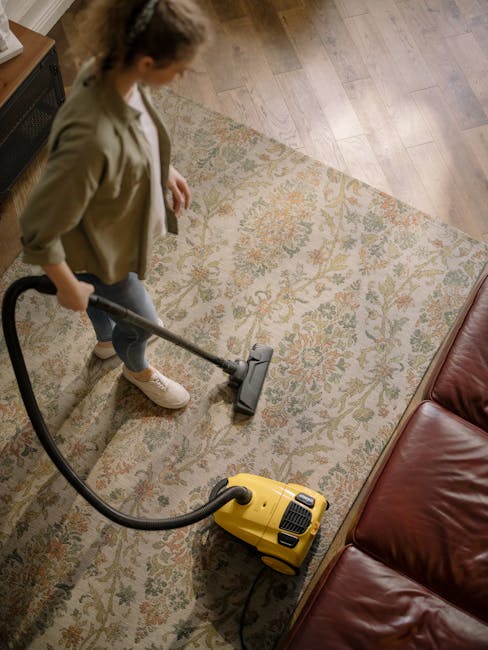
Start with dry soil. Vacuum slowly and in overlapping passes, especially in hallways and around sofas. If the carpet has a thicker pile, go a little slower than you think you need to. Rushing is where people miss half the dust. In many homes, the first pass loosens debris and the second actually lifts it.
2. Spot-treat stains quickly
The sooner you deal with a spill, the better. Blot the area gently with a clean white cloth. Do not rub hard. Rubbing pushes the stain deeper and can rough up the fibres. Use a suitable carpet-safe cleaner, but test it in a small hidden area first. If the stain is greasy, a water-only approach may not help much. If it is something like coffee or juice, a mild solution may be enough.
3. Work from the outside in
When treating a stain, start at the outer edge and move inward. That helps stop the mark spreading. Small thing, big difference. A wider ring around a stain is not a design feature.
4. Use minimal moisture
Too much water can soak under the pile and leave the backing damp for too long. That may lead to odour, slower drying, or in some cases browning. Controlled moisture is the goal. If you are using a machine, follow the instructions carefully and do not keep over-wetting one patch just because it looks stubborn.
5. Dry the room properly
Open windows where possible, improve airflow, and avoid walking on the carpet until it has dried. If you need to move furniture back, lift it rather than dragging it. A folded towel or protective pad under furniture legs can help while the carpet settles.
6. Finish with a final vacuum
Once the carpet is completely dry, give it a final vacuum to lift the pile and catch any loosened particles. This small step often makes the carpet look better straight away.
If you need help beyond a routine refresh, a local carpet cleaning service can handle tougher soils, larger rooms, or delicate fibres more safely than a quick DIY attempt.
Expert Tips for Better Results
Here is where a few extra details really pay off. These are the things that tend to separate an okay result from a genuinely good one.
- Vacuum before you can see the dirt. By the time the carpet looks visibly dull, it has already been holding soil for a while.
- Use entrance mats properly. Not just for show. A decent mat at the door can cut down the amount of grit coming in from the street.
- Rotate furniture occasionally. It helps avoid permanent wear patterns in the same place every time.
- Deal with spills immediately, not later. Later usually means more work. There, said plainly.
- Be careful with coloured cloths. Some dyes transfer to pale carpet fibres, especially when damp.
- Keep an eye on humidity. In a closed flat after cleaning, drying can take longer than expected.
- Consider fibre type before choosing a method. Wool, synthetic blends, and delicate rugs all behave differently.
One useful habit is to treat the hallway and living room as your early warning system. Those spaces often show wear first. If they look tired, the rest of the home probably needs attention too.
And if you ever wonder whether a stain is worth tackling yourself, ask a different question: what happens if I make it worse? That usually clarifies the decision very quickly.
Common Mistakes to Avoid
Most carpet mishaps come from good intentions and bad timing. That is the annoying part.
- Rubbing stains aggressively: This can spread the mark and damage the pile.
- Using too much cleaning product: Residue attracts more dirt and can leave a sticky feel.
- Skipping the test patch: Especially important on older carpets or anything with colour variation.
- Leaving carpets damp for too long: Slow drying can cause odour and make the room feel heavy.
- Ignoring high-traffic zones: Hallways and sitting areas need more attention than spare rooms.
- Assuming every cleaner works the same way: Different fibres, different soils, different outcomes.
- Using harsh chemicals on delicate fibres: Sometimes "stronger" just means riskier.
A common one in busy homes is cleaning only when the carpet already looks bad. That is a bit like servicing a bike after the chain has fallen off. Preventive care is just easier. Less stress too.
Tools, Resources and Recommendations
You do not need a cupboard full of specialist kit to look after carpets properly. A sensible, compact set of tools is usually enough for everyday care.
| Tool or product | Best use | Why it helps |
|---|---|---|
| Good vacuum cleaner | Routine soil removal | Lifts loose dust and grit before it settles deeper |
| Microfibre cloths | Blotting spills | Absorb liquid well without spreading the stain |
| Carpet-safe spot cleaner | Treating fresh marks | Useful for drinks, food, and light general staining |
| Soft brush | Gentle fibre agitation | Helps loosen soil without being too rough |
| Fans or open windows | Drying support | Improves airflow after wet cleaning |
If your carpet cleaning routine is part of a wider home-care plan, you may also find it helpful to pair it with sofa cleaning or rug cleaning, especially in living spaces where dust and spills tend to travel from one surface to another. That kind of joined-up approach often gives the room a cleaner feel overall.
For homes that need more regular help, services like home cleaners can also support ongoing upkeep. It is not about doing everything at once. It is about keeping the house manageable.
Law, Compliance, Standards, or Best Practice
For most homeowners, carpet cleaning is a practical household task rather than a heavily regulated one. Still, there are sensible standards worth following. If cleaning chemicals are being used, they should be handled carefully, stored safely, and used according to the product instructions. That matters in homes with children or pets, and it matters even more in shared properties where the cleaning area may be accessed by more than one person.
Professional cleaners in the UK are expected to work safely and responsibly, which usually means using suitable methods for the fibre type, managing slip risks, and avoiding unnecessary damage to the property. Insurance is worth checking if you are hiring help, because accidents can happen even when everyone is careful. A good company should be able to explain its process in plain language, without fuss.
From a best-practice angle, moisture control, patch testing, and proper drying are the big ones. If a cleaner cannot explain how they handle delicate carpets, that is a small warning sign. Nothing dramatic. Just something to notice.
In blocks of flats or managed buildings, it is also sensible to think about noise, access, and the shared nature of hallways or entrances. The job may be inside your home, but the logistics are often wider than that. London living, eh?
Options, Methods, or Comparison Table
Different carpet cleaning methods suit different situations. There is no one-size-fits-all answer, which is why a quick comparison helps.
| Method | Best for | Pros | Watch-outs |
|---|---|---|---|
| Regular vacuuming | Everyday maintenance | Simple, low-cost, essential | Will not remove deep stains or built-up soil alone |
| Spot cleaning | Fresh spills and small marks | Fast and targeted | Can spread stains if done badly |
| Low-moisture cleaning | Quick refreshes | Shorter drying time | May not suit heavily soiled carpets |
| Hot water extraction | Deeper cleans | Good for embedded dirt and residue | Drying time needs managing carefully |
| Professional clean | Delicate fibres, heavy traffic, tough stains | Expertise, right equipment, better risk control | Costs more than DIY |
If you are deciding between methods, think about the carpet's age, fibre type, and condition. A newer synthetic carpet may tolerate a more intensive clean. An older wool carpet may need a gentler approach. If you are not sure, err on the side of caution. Carpets rarely thank you for bravado.
Case Study or Real-World Example
Here is a realistic local example. A Maida Vale family in a ground-floor flat noticed the hallway carpet was darkening near the entrance and the living room pile had started to look flat around the sofa. Nothing dramatic at first, just a slight dullness, but over time the rooms felt less fresh.
They began with better entrance matting, regular vacuuming, and quicker spill handling after dinner. They also changed one small habit: shoes stayed off the carpeted areas whenever possible, especially on wet days. After that, they had the hallway professionally cleaned and asked for careful treatment of the traffic lane rather than a broad, one-speed-fits-all approach.
The result was not magic. That would be a bit silly. But the carpet looked lighter, the room felt less tired, and the family found maintenance easier afterwards because the dirt was no longer building up so quickly. The real win was not just the one clean. It was the better routine that followed it.
That is often how it goes in homes like this. One small adjustment leads to a more maintainable space. Quietly effective. No drama.
Practical Checklist
Use this quick checklist whenever you want to keep your carpets in better shape.
- Vacuum high-traffic areas at least once or twice a week, more if needed.
- Blot spills as soon as they happen.
- Test any cleaner in a hidden spot first.
- Use only the amount of moisture you truly need.
- Open windows or improve airflow after wet cleaning.
- Keep shoes off carpeted areas where possible.
- Place entrance mats near external doors.
- Rotate furniture occasionally to spread wear.
- Choose the cleaning method based on fibre type and soil level.
- Book a deeper clean when the carpet starts looking tired, not after it has fully turned grey-brown.
If you can tick most of those off, you are already ahead of the curve.
Conclusion
Carpet care in Maida Vale does not need to be complicated. The best results usually come from steady habits: vacuuming often, treating stains quickly, drying carpets properly, and choosing the right method for the fibre and the level of use. Do that, and you will usually get a cleaner, fresher, longer-lasting result without overthinking it.
For local homes, the real trick is consistency. A little care every week beats a heroic rescue job every few months. Truth be told, that is how most household maintenance works. Small effort, decent routine, less stress.
Get a free quote today and see how much you can save.
And if all you do after reading this is remove one stubborn stain properly or book a cleaner, that is still a win. A fresher home has a way of making the whole week feel lighter.
Frequently Asked Questions
How often should carpets be cleaned in a Maida Vale home?
It depends on foot traffic, pets, children, and the type of carpet. Most homes benefit from regular vacuuming and a deeper clean when the carpet starts to look dull, feel sticky, or hold odours. Busy households may need attention more often than quiet ones.
What is the best way to remove a fresh carpet stain?
Blot the spill gently with a clean white cloth, working from the outside in. Avoid rubbing, because that can spread the mark. Then use a carpet-safe cleaner that suits the stain type, and always test it first if you are unsure.
Is steam cleaning good for carpets?
Hot water extraction can be very effective for many carpets, especially where dirt has settled deeper into the fibres. The key is using the right amount of moisture and allowing enough drying time. It is not the best choice for every carpet, so fibre type matters.
Can I clean wool carpets myself?
Yes, but you need to be careful. Wool is more sensitive to harsh chemicals and excess moisture than many synthetic carpets. If you are unsure, a gentler approach or professional help is often the safer option.
Why does my carpet still smell after cleaning?
Odours can remain if moisture has not dried properly, if the stain has soaked into the underlay, or if residue has been left behind. Sometimes the visible mark is gone, but the underlying problem is not. That is why drying and correct product choice matter.
How long does a carpet take to dry?
Drying time varies with the cleaning method, airflow, carpet thickness, and room conditions. A lightly cleaned carpet may dry fairly quickly, while a deep clean can take longer. Good ventilation helps a lot.
What carpets wear out fastest in busy homes?
Hallway and living room carpets often show wear first because they take the most foot traffic. Pile flattening, dull patches, and tracked-in dirt tend to appear there before anywhere else.
Should I move furniture before carpet cleaning?
Light items are often moved to give better access, but heavy furniture may be left in place or shifted carefully depending on the method used. If in doubt, ask the cleaner what is practical. Dragging heavy pieces is usually not a good idea.
Are carpet cleaning products safe around pets?
Some are, some are not, and the label matters. Keep pets away from treated areas until the carpet is fully dry and the room has aired properly. If a product has a strong smell or unclear instructions, be cautious.
How do I keep carpets cleaner for longer?
Use entrance mats, vacuum regularly, treat spills quickly, and avoid walking dirt through the house. A simple routine makes a big difference. Little things add up, especially in a busy family home.
Is professional carpet cleaning worth it?
It often is if the carpet has deep soiling, stubborn stains, delicate fibres, or heavy use. Professionals can use the right method for the job and reduce the risk of damage. For many homeowners, that peace of mind is worth a lot.
What should I ask before booking carpet cleaning?
Ask about the cleaning method, drying time, stain treatment, fibre suitability, and whether the company can handle your specific carpet type. It is also sensible to check how they manage safety and insurance. A clear answer is usually a good sign.
Can carpet cleaning help with allergens?
Regular cleaning can reduce the dust and debris that collect in carpets, which may help improve general indoor freshness. That said, if allergies are a concern, it is wise to keep expectations realistic and maintain a good cleaning routine across the whole home.